
El ecosistema AgTech: reflexiones sobre la Semana del Regreso a Casa... ¡o mejor dicho, sobre la Tulare World Ag Expo!
Bueno, amigos, es la Semana del Homecoming aquí en Tulare, donde gran parte de la comunidad agrícola y de tecnología agrícola se reúne en la World Ag Expo para mostrar sus productos, hablar de trabajo, ponerse al día con viejos amigos y hacer nuevos.Estas eran mis reflexiones, extraídas de un artículo del boletín de WG Innovation que escribí antes de partir hacia Tulare.
And now that I have been at the show all day on Tuesday and Wednesday, I’ve got a few thoughts (and a few more that are worthy of separate posts later).
In terms of launches, I will take a detailed look at the annual “Top 10 New Products and Exhibit Highlights” winners list in a future post. The two automation solutions that jumped out to me were (1) Amiga Max – a compact autonomous robot that can spray, tow, haul and lift in multiple specialty crops (already in the space, Amiga Max and Burro Grande / XL will likely compete against each other in the marketplace, and I believe there is room for at least two players in this segment; (2) Carbon ATK from Carbon Robotics – an after-market autonomy solution that brings a new entrant into this space along with many of the OEMs (including John Deere, who offers an integrated autonomy option for many of their tractors) and startups. I like it because anything that can help growers get more benefit out of their existing equipment and help solve the driver shortage is a win for all.
Who are the new exhibitors? Well, in this case, the answer was clearly “Back to the Future!” Compared to 2021 (when of course we had $53B in AgriFoodTech VC), there were a lot fewer startups than just five years ago and even many fewer compared to two to three years ago. In their place there were a lot of old school equipment exhibitors, but there were some notable swaths of open exhibit space that was either never paid for or paid for and then companies could not exhibit at the last minute. Exhibits by old school components and supply manufacturers or distributors had the feel of a World Ag Expo from 10-15 years ago from before AgTech became a big thing and then became AgriFoodTech and became a bigger thing. Meet the old exhibitors, same as the new exhibitors (to loosely paraphrase Roger Daltry and The Who—lyrics are from Won’t Get Fooled Again”—you kids can Google it and then build a playlist with tunes from The Who, Roger Daltrey, and Pete Townshend. You won’t be disappointed!)
How is the show doing? I am a keen observer of trade shows, probably attending 40 a year for the past 10 years. Tulare is one of the larger and more influential ones. It recovered after a few shutdown years, but this year was a little funky and the folks I talked to do not want to put all of that on weather because it actually did not rain either of the first two days but the crowd after 2:30 on Tuesday was dismal. The Wednesday crowd was noticeably better but for both days once the 10:00 – 2:30 window was done the crowds just got smaller. I am concerned that that 4.5 hour window is not enough to support the costs required (time and $s) for startups (or other exhibitors candidly) to make the show investment ROI-positive. And if you’re just there to meet with folks, you can do that while walking instead of paying for and parking in an exhibit booth.
I’ll have more to say about fundraising – I had some conversations that will remain non-public for now while some startups figure a few things out. Suffice to say there will be some startups that need to raise capital this year and the space is likely to have somewhere between $8-12B in 2026 so capital will be tough and pitch decks and narratives will need to be completely buttoned down to successfully pull in capital this year. Ben Palone and I plan on having a lot of conversations with startups, investors and our friends in the AgTech ecosystem to help where we can.
One final macro thought on what I saw the last two days. It appears entirely possible that a couple of things are happening at the same time and the interplay impact is yet to be determined. First, as above, venture capital is down 80% in five years, so a lot of startups no longer have capital (and time) to spend with over a week in setup, exhibit and take down at Tulare.
Second, if startups are not taking booth space they used to, the World Ag Expo sales team will have to dust off the Rolodexes and find a few folks that are no longer exhibiting, displaced by the cool new AgTech kids with money the last several years. But what if the folks who used to take booths no longer need them? Then the World Ag Expo sales team will be in a bit of scramble mode because somebody has to fill some of those slots or the show economics get rough. And what if the folks who used to take the booths are now using things like online advertising, email advertising, social media advertising and content marketing to attract leads and customers in new ways. Ironically, AI is making social media and search marketing more effective even as AI added 48 billion (with a B folks!) hours on mobile devices last year (up 10x in two years – yes, two years – I know, it’s crazy!) And here is a fun fact: that 48B hours is less than 1% of global time spent on mobile devices last year, so yes they’re using AI a lot but folks are using their phones an awful lot too!
Both Facebook (Meta) and Google (Alphabet) have used AI to deliver better and more relevant ads which get clicked on more often and generate more revenue per click. It is entirely possible that when the old-school exhibitors got run out of town by new-fangled startups with their fancy Silicon Valley money, they used some of that other new-fangled tech to help them not need their former exhibit spot. We will see. It’s also worth noting that if you’re using the new kids platforms to successfully advertise, you might not be wild about telling everyone you’re doing it and inducing competition, so I’m not outing anyone and I’m not saying all these platforms are working. I am saying that there have to be some good reasons for the empty booth space and lighter crowd this year. At the very least, everyone running events on the west coast that are not World Ag Expo should realize that even the granddaddy of west coast shows can struggle, and if that’s true, it should send shivers up every other event organizer’s spine.
More thoughts from Tulare later. The other realization from this week is that World Agri-Tech is about four weeks away and it will be the next epicenter for figuring out who’s raising, who’s investing and how it’s going, along with how the four weeks played out for some of the key players. That’s why you have to go to the shows to keep up, folks – you can get highlights from some of the media and some of the posts from folks who write up the visits (like me!), but you only get all the stories when you make the trip! See you in SF in a few weeks!
Más información sobre la próxima generación de trabajadores de AG
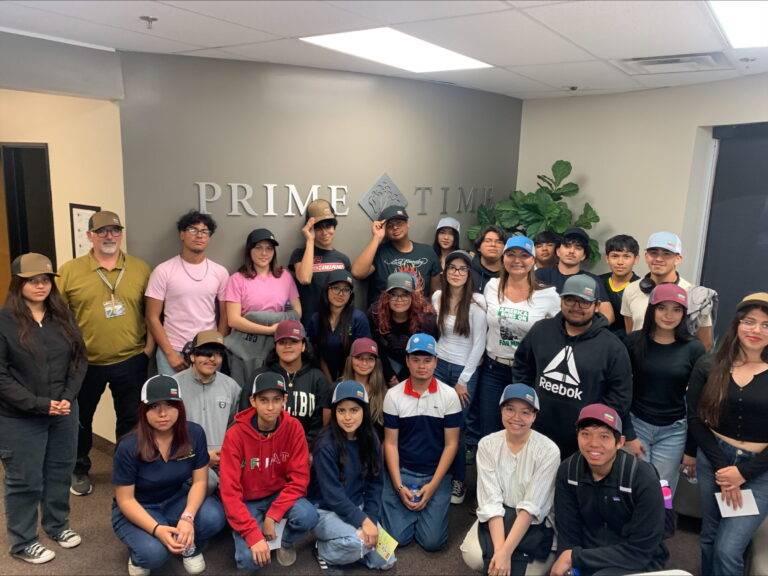
Western Growers y California Women for Agriculture Coachella Valley Chapter organizan una gira de carreras agrícolas para estudiantes
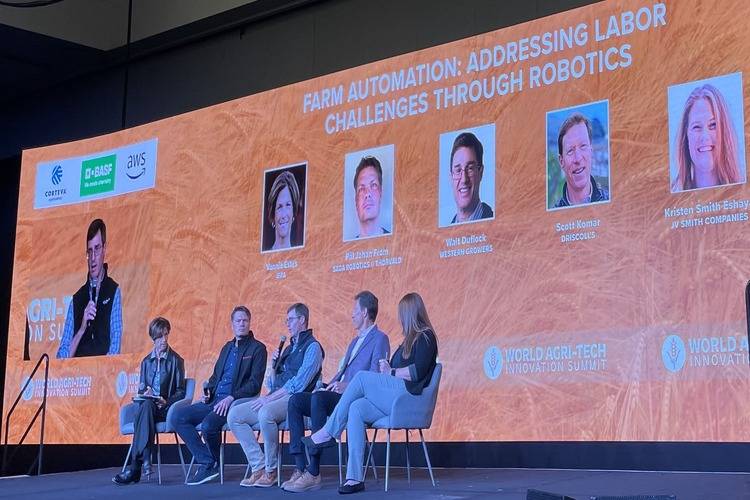
Walt Duflock, de WG, participa en el panel sobre automatización agrícola de la Cumbre Mundial de Tecnología Agrícola de San Francisco
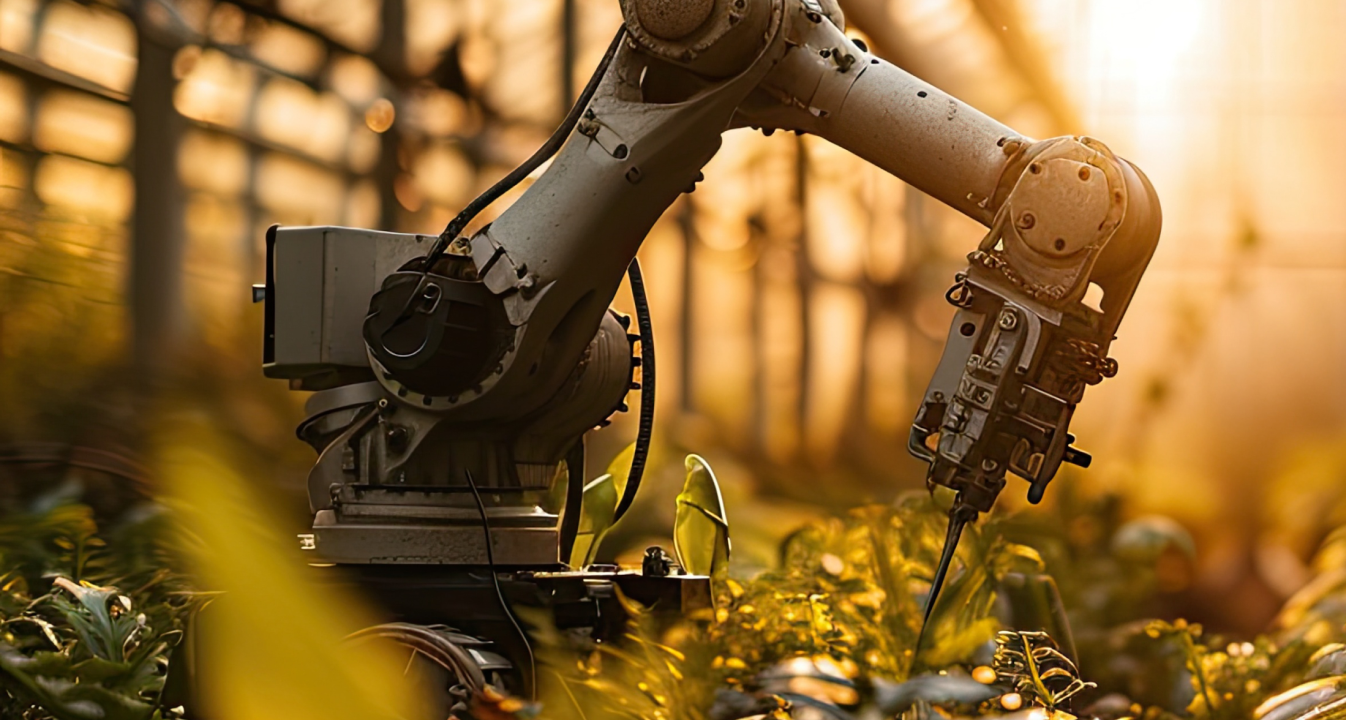
FARMX: Revolucionando la agricultura

Walt Duflock habla del futuro de la agricultura californiana con The Modern Acre Podcast
