
El marketing para las startups de tecnología agrícola se está volviendo mucho más difícil
Hablo con muchos equipos organizadores de eventos, muchos productores y muchas empresas emergentes sobre eventos por varias razones. En primer lugar, siempre estoy buscando nuevas ideas ingeniosas para eventos que ayuden a captar un nuevo segmento de público, nuevos contenidos que despierten la curiosidad de los asistentes y contribuyan a llenar la sala, y nuevos formatos o herramientas que generen una mayor participación tanto durante el evento como antes o después de que este tenga lugar. En segundo lugar, siempre me interesa saber qué ha llevado a los productores a asistir a un evento, si este ha cumplido con las expectativas y, sobre todo (y esto es lo más importante en muchos casos), si tienen pensado volver el año que viene. En tercer lugar, siempre pruebo y echo un vistazo a las aplicaciones móviles del evento para ver cómo gestionan el networking y la creación de comunidad y, para ser sincero, en este aspecto hay de todo en cuanto a herramientas y su uso.
Event hacks would include things like the day zero 8×8 format that my friends at Farm Progress rolled out at Organic Grower Summit (OGS). This is a format that puts 8 startups/innovators together with 8 growers for one day. They each get an hour with the complete set of innovators or growers, so from 8:00 – 5:00 there are 8 one-hour meeting slots in both directions. There is a breakfast time slot, lunch time slot for an hour in the middle (12:00 – 1:00), and dinner afterward to maximize the networking opportunity and let the interested parties self-select to extend the conversation further after the day is over. This brought 8 additional growers to OGS (because the participation in the 8×8 gave them an event pass for OGS). It also helped lock in 8 startups to exhibitor positions. This is high-margin revenue and a win-win because both the growers and startups get good value.
Growers are increasingly finding two- and three-day events difficult to attend. They cost a lot of money, but that is the least of the challenges. A few nights in a hotel and at an event while away from the office makes the real cost the opportunity cost of what the grower is unable to do while at the event. The other thing I am consistently hearing is that growers are not seeing enough incremental progress in AgTech solutions from year to year. When I ask why they stopped attending certain shows (in some cases shows they had attended for multiple years – sometimes in the same location, sometimes in different locations), a recurring theme was that the new products and features in a segment like automation were not very large and it was therefore harder to justify the cost and time off the farm and away from operations each year. The combination of grower fatigue on trade shows and the lack of huge breakthroughs (even though much of the progress is slow and steady) combine to make growers less frequent show attendees. We heard this from people who attended past FIRA USA events and did not attend this year. Turns out that four years in a row were too many when the progress was not that large from year one in Fresno to year two in Salinas to years three and four at Yolo County Fairgrounds.
I think the mobile app space has come a long way in a few years and is helping drive value for attendees on all sides. If you are able to schedule meetings with folks based on their show profile or having talked to them previously or seeing them on stage, it adds value (often for both sides of the match who can connect live). That said, it does seem like there is more that apps can do to drive engagement and value.
All of this is to say, for many years events were one of the best ways to market to growers. You had large horizontal shows like Tulare World Ag Expo, Commodity Classic, and Farm Progress (well, okay, FP is primarily Midwest crops, but products from many solution segments for those crops show up every year). There were also segment-specific shows like Organic Grower Summit (organic segment AgTech), FIRA USA (automation segment), and Salinas Biological Summit (yep you’re right – it’s in the name) that focused on a specific set of solutions and delivered content and an audience tailor-made to that segment. There were also crop specific shows such as the California Almond Conference and Strawberry Industry Expo.
Out of these three sets of options, AgTech startups had to decide which ones to attend based on a complete economic analysis (i.e. travel costs, exhibitor costs, and likely sales funnel results such as leads generated) and some tough budget decisions in terms of which events justified funding and which ones did not make the cut. It was and is often really tough to know how an event will perform each year. Last year’s performance is always somewhat helpful in setting baseline performance standards and targets but it’s not always accurate. So startup marketing teams can look at potential spends, compare them to last year’s results, make what seems like an intelligent decision on which ones to use and still be wrong because for reasons nobody can quite explain fewer growers showed up this year than last year so lead funnels leaving the show are much emptier than hoped for for startups.
All of this means that knowing where to put your marketing budget for 2026 for AgTech startups is really tough. Which events work will change from year to year. In addition, some events that worked for multiple years may not be around anymore and from what I see there are still too many shows so expect some more to struggle to get back to break-even. The fact that growers are attending fewer shows and there is not much to bring them back will make it harder for AgTech startups to find growers to engage with at shows. This will cause some shows to deliver poor economics for startups, which will make it even harder to maintain an event budget at the same size for next year. If shows are unable to consistently deliver results each year, startups will need to find some creative new marketing channels to replace trade show leads with leads from other channels.
But that is a topic for another day. For now, I just wanted to note that however hard the marketing job was two years ago, it’s even harder now because the margin of error for marketing budgets to under-deliver results is smaller than ever because of increasing margin pressure on growers, which makes AgTech spending harder to justify. I’ll be back in a future post to talk about some marketing thoughts from my time running marketing at a couple of startups (back in the day as the kids like to say – so grain of salt that my marketing lessons learned were primarily from the 90s, 2000s, and 2010s). The short version is I think content marketing and social media marketing are both valuable channels to be considering. How and how much remain large open questions.
Más información sobre la próxima generación de trabajadores de AG
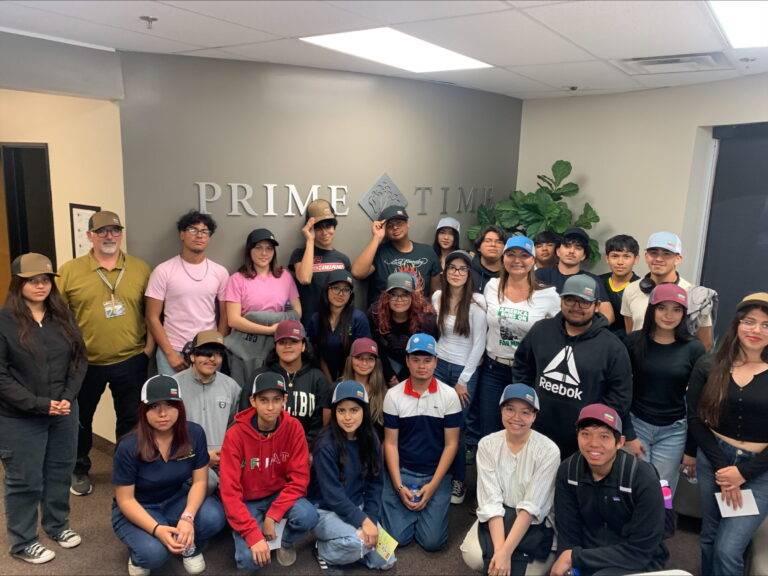
Western Growers y California Women for Agriculture Coachella Valley Chapter organizan una gira de carreras agrícolas para estudiantes
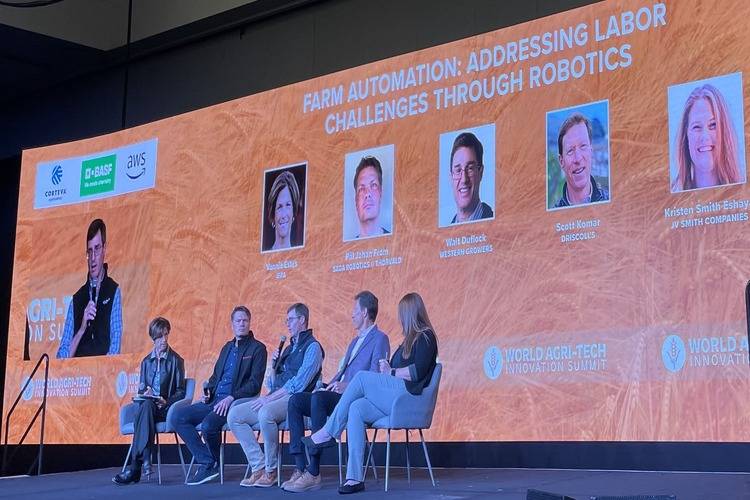
Walt Duflock, de WG, participa en el panel sobre automatización agrícola de la Cumbre Mundial de Tecnología Agrícola de San Francisco
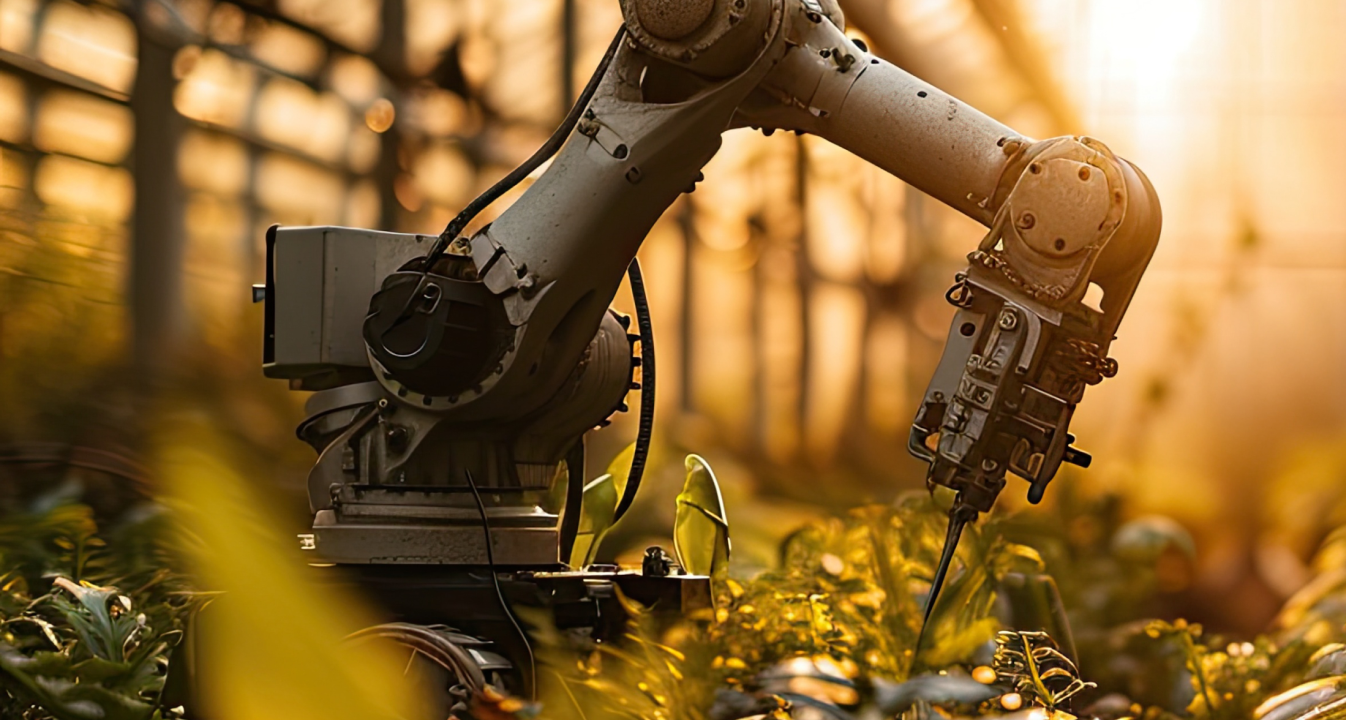
FARMX: Revolucionando la agricultura
Walt Duflock habla del futuro de la agricultura californiana con The Modern Acre Podcast
