
Forging New Paths: Why Specialty Crop Harvest Automation Requires Creative, Grower Led Solutions
Harvesting specialty crops has always been an intensely labor‑dependent process, but in today’s environment, the challenges surrounding labor availability, cost and reliability have pushed growers into increasingly uncertain territory.
Across much of the specialty crop sector—leafy greens, tree fruit, berries, and vegetables—harvest labor represents nearly two‑thirds of total production costs. For growers already operating on tight margins, this concentration of cost in a single production phase exposes them to financial and operational risks that are becoming harder to manage each year. Labor availability fluctuates, regulatory pressures continue to evolve and the pool of skilled workers able and willing to engage in physically demanding harvest work continues to shrink. The result: a system under strain and an industry actively searching for alternatives.
At the same time, the very sector hoping to drive technological breakthroughs—agri‑foodtech—has faced its own headwinds. Venture capital investment in the space has fallen dramatically, down approximately 68% since 2022, drying up a vital source of funding for early stage automation efforts. While broader market forces have played a role, the structural mismatch between specialty crop needs and traditional VC investment criteria is an equally important factor. Specialty crops are, by design, a niche industry. They require highly customized technologies capable of handling biological variability, tight harvest windows and complex field environments—not the kind of uniform, scalable platforms that venture investors typically prefer.
This creates a fundamental tension: growers need practical, incremental, field‑ready automation solutions, while venture capital often seeks rapid scaling, high margins and broad applicability across markets. As a result, even promising automation concepts struggle to secure funding if they cannot demonstrate the kind of growth trajectory investors expect. Many growers have experienced this firsthand. Companies with strong early prototypes stall out once investment becomes elusive or pivot away from agriculture entirely, leaving growers without long‑term partners or pathways to scale.
In this environment, specialty crop agriculture is left with few traditional options. Relying on large VC investment alone no longer supports the level of innovation required. Instead, the path forward increasingly depends on the industry coming together to drive solutions collectively—growers, technologists, researchers and organizations aligned not around venture returns, but around real grower value. Collaborative problem‑solving, shared risk and models that prioritize grower outcomes over investor expectations are becoming essential.
This is where Western Growers steps in.
The Western Growers Innovation Team is committed to building these new pathways—ones that advance automation not through traditional Silicon Valley expectations, but through a grower‑centric model focused on practical, field‑verified impact. Our work is grounded in listening to growers, understanding operational bottlenecks and ensuring that the technology pipeline solves real‑world problems. By connecting growers directly with engineers, robotics firms and startups, we help shape solutions earlier in the development cycle, increasing the odds that new tools will be usable, affordable and scalable.
We also recognize that innovation must be paired with creative funding models—strategic partnerships, industry consortia, targeted grants, pilots and shared‑investment structures that reduce risk for innovators and growers alike. Automation in specialty crops is too important, too urgent and too complex to rely solely on market forces. It will take a united industry effort, and Western Growers is committed to leading that collaboration.
As labor uncertainty grows and traditional funding declines, the message is clear: the future of specialty crop automation will be built not by chance, but through shared ingenuity, collective action, and solutions designed by and for growers. And Western Growers is here to make that future possible.
More about Next Gen AG Workers
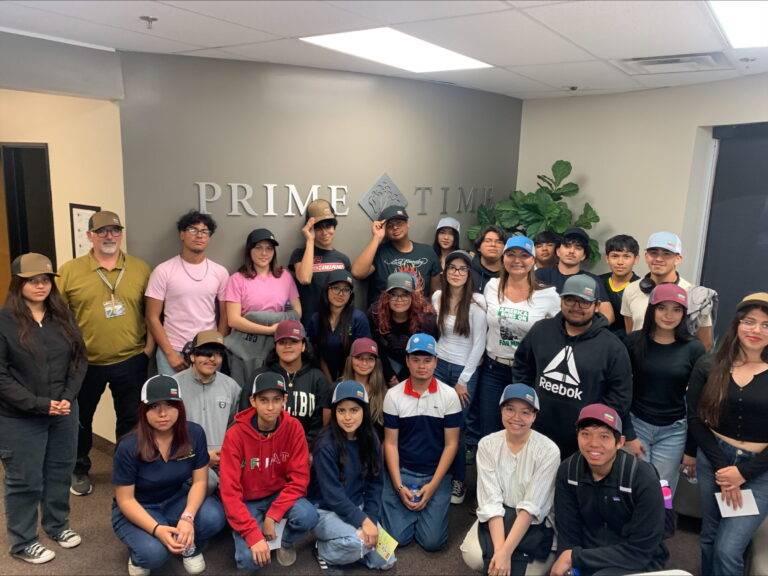
Western Growers and the California Women for Agriculture Coachella Valley Chapter Host Student Ag Careers Tour
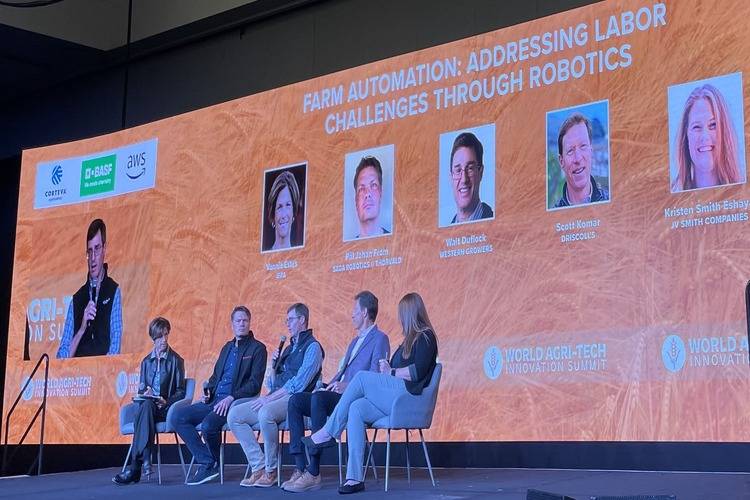
WG’s Walt Duflock Joins Farm Automation Panel at World Agri-Tech Summit in San Francisco
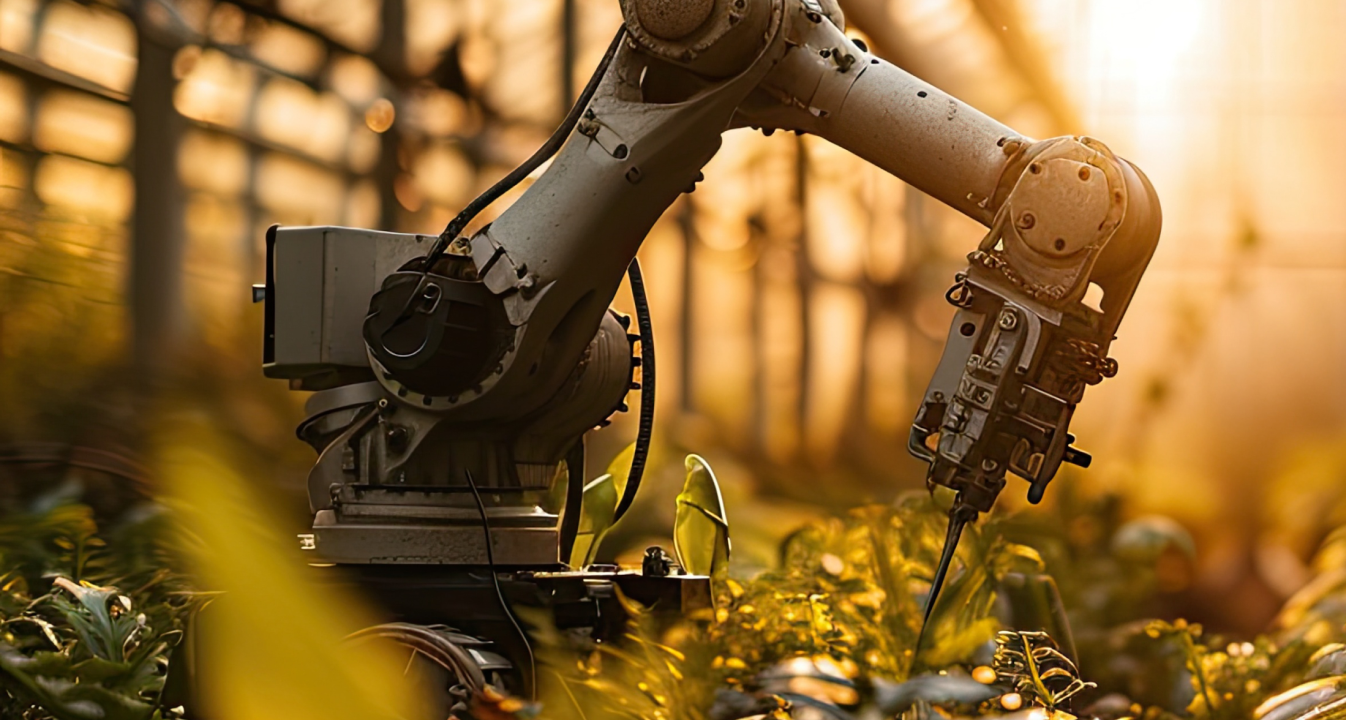
FARMX: Revolutionizing Agriculture

Walt Duflock Talks the Future of California Ag with The Modern Acre Podcast
