
What a Pile of Broken Drones Says About Commercialization in Agtech
Early in my technical career, I learned one lesson faster than almost anything else: agricultural equipment doesn’t get days off. There is no “pause” button in farming. Tools must be fixed, repaired and returned to the field immediately, often within hours, because the entire operational system depends on continuity. Break the chain, and you risk breaking the season.
Since the arrival of modern agtech, this reality has created a nagging concern among growers: Can sophisticated, sensor‑laden, software‑heavy equipment really hold up in a world where downtime isn’t an option? Farmers are not just evaluating performance—they are evaluating whether a piece of technology fits seamlessly into the nonstop rhythm of agriculture.
A trip to Yuma, Arizona last month gave me one of the clearest signals yet that at least one category of agtech—broadcast input‑application drones—has officially crossed the line into full commercialization.
During a visit with Nick Copass at the Keithly Williams Fabrication shop, I walked into a scene that would horrify any drone manufacturer but is a clear signal for anyone watching for signs of real‑world adoption. Near the back of the shop sat a pile of drones—a mangled heap of shattered carbon fiber, broken rotors, and twisted bits if metal. These weren’t museum pieces. They were fresh off the farm, looking like they had bounced off telephone poles, fallen from 20 feet, or run over by a 5-series tractor.
When I asked Nick what happened, he just laughed.
“Growers drop them off whenever they crash or get knocked over,” he said. “Sometimes I don’t even know who dropped which one off. We come in in the morning and there’s a mangled drone by the door. It’s cheaper to rebuild them than replace them—so we fix them up, send them back, and send the bill.”
That was the moment I knew drones for broadcast applications had “made it.”
This is what commercialization looks like.
Agtech is truly adopted when farmers stop treating equipment as fragile technology and start treating it as a tool—one that gets beaten up, pushed hard and expected to perform day after day. The fact that growers are using drones aggressively enough to break them, drop them, flip them, and still bring them back for repair is real‑world proof that these machines have earned their place in the agricultural system.
Of course, getting here was never guaranteed. Commercializing agtech is notoriously difficult, in part because these smart machines must overcome:
Seasonality, which limits testing windows and stretches development timelines
The need for a quantifiable ROI, often within razor‑thin margins
Utility in less‑than‑ideal conditions, not just perfect demo plots
Sufficient ground‑coverage capability to match agricultural scale
Operation across multiple geographies and growing configurations
Compatibility with tight timing constraints and multi‑input workflows
Serviceability and maintenance, often far from factory support
Each of these hurdles has stalled and, in some cases, stopped more than a few promising startups—and continues to shape the pace of innovation today.
But the scene in that Yuma shop offered something rare in agtech: a clear, unambiguous signal that a technology category has made it past the theoretical stage and into the messy, demanding, day‑to‑day world of commercial agriculture.
And the unsung heroes of that progress are trusted dealers and industry partners like Keithly Williams Fabrication. They are the ones “putting Humpty Dumpty back together again”—quietly absorbing the maintenance burden that makes adoption possible. Their repair benches, not pitch decks or prototypes, are where true commercialization becomes visible.
If piles of broken drones sound like bad news, think again. They’re a sign of heavy use. A sign of repeat value. A sign that growers trust technology enough to rely on it, abuse it and bring it back for more.
And in agriculture, that’s as commercial as it gets.
More about Next Gen AG Workers
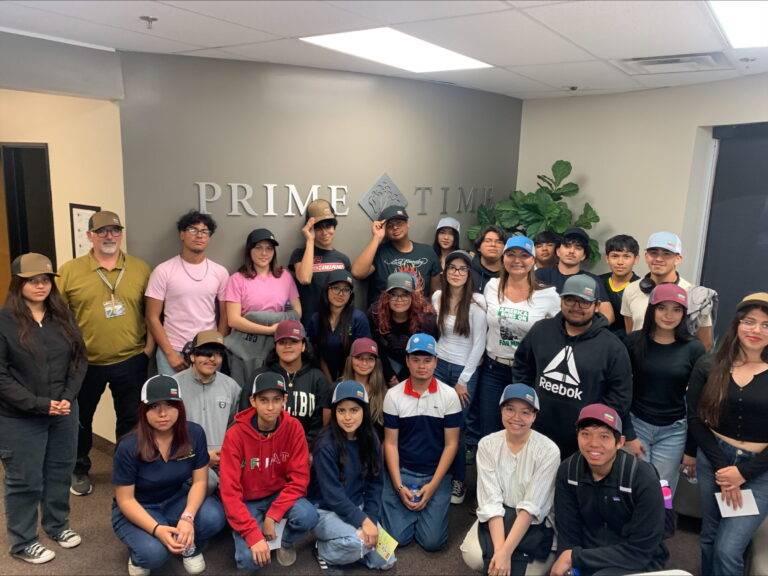
Western Growers and the California Women for Agriculture Coachella Valley Chapter Host Student Ag Careers Tour
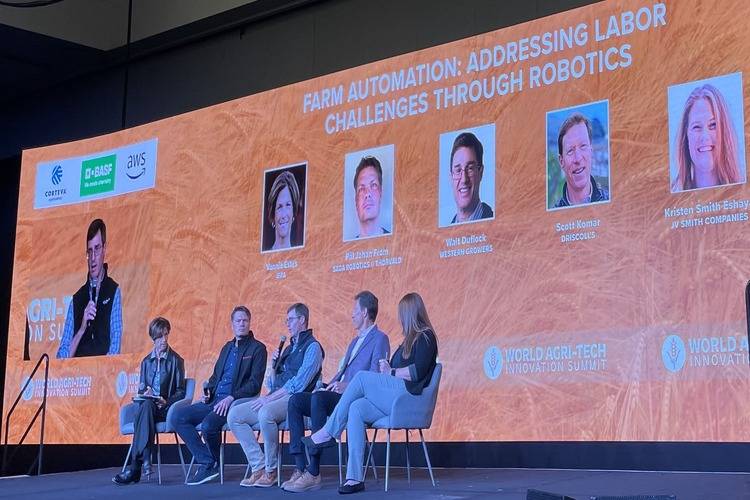
WG’s Walt Duflock Joins Farm Automation Panel at World Agri-Tech Summit in San Francisco
FARMX: Revolutionizing Agriculture

Walt Duflock Talks the Future of California Ag with The Modern Acre Podcast
