
Automated Harvesting Emerges as a Global Challenge — and a Shared Opportunity
The race to develop reliable, scalable automated harvesting solutions is no longer a regional priority; it has become a global imperative. Around the world, growers are grappling with shrinking labor pools, rising production costs, and mounting pressure to maintain a stable food supply. This week marked an important step toward addressing these challenges collaboratively, as Western Growers signed a Memorandum of Understanding (MOU) with the Queensland Department of Primary Industries (QDPI) to accelerate automated harvesting innovation in both the United States and Australia.
This partnership reflects a shared recognition: no single country can solve the labor crisis alone. Australia, in particular, faces labor shortages that are even more acute than those in the U.S. Growers in Australia contend with higher labor costs, fewer available workers, and increasing competition for skilled talent. Yet, despite these challenges, Australia also brings a unique advantage to the table. Many of its growing configurations—crop layouts, field designs, and production systems—are inherently more conducive to automation. These structural differences offer valuable insights that can help speed the development and deployment of automated harvesting technologies worldwide.
This week, I had the opportunity to meet with Australian growers and Ian Layden from QDPI, where we toured three key areas of the U.S. to observe the latest automated harvesting efforts underway in our vegetable industries. We visited Matt Heart at Betteravia Farms in Santa Maria, along with growers from Salinas, that included Amaral Farms, Taylor Farms, and D’Arrigo Bros. From Salinas we will travel to Yuma, Ariz. to see S.A.M.I. AgTech with their selective automated harvesting platform. Across fields, Reservoir Farms, and many leaders in the agricultural community, we explored the technologies that Western Growers members are testing and refining—from robotic harvesters to machine‑vision systems to self-propelled platforms designed to reduce the physical burden on workers.
What stood out most was the shared sense of urgency. Both U.S. and Australian growers are confronting the same demographic reality: an aging workforce and a shrinking pipeline of new entrants. But rather than viewing automation as a replacement for people, our discussions focused on how technology can elevate the workforce. Automated harvesting opens the door to upskilling—creating better, safer, and higher‑paying positions that attract new talent and retain experienced employees. The goal is not to remove people from agriculture but to empower them with tools that make the work more sustainable and rewarding.
Together with Western Growers members and board members, we spent time unpacking the nuances that make automated harvesting such a complex challenge. Every crop, region, and operation presents its own set of variables—plant architecture, harvest timing, field conditions, and market demands. Yet the conversations made one thing clear: collaboration across borders is not just beneficial, it is essential. By pooling knowledge, aligning research priorities, and sharing real‑world data, we can accelerate progress far faster than any one region working alone.
The new MOU with Queensland formalizes this spirit of partnership. It establishes a framework for joint research, technology exchange, and coordinated innovation efforts. More importantly, it signals a commitment to tackling the global labor crisis with a global mindset.
Automated harvesting is not a distant vision. It is a necessity—and one that requires cooperation, creativity, and a willingness to rethink how we grow, harvest, and sustain our food systems. This week’s conversations reaffirmed that we are not alone in this effort. With partners like QDPI and the growers of Australia, we are building a pathway toward a more resilient and technologically empowered future for agriculture.
More about Next Gen AG Workers
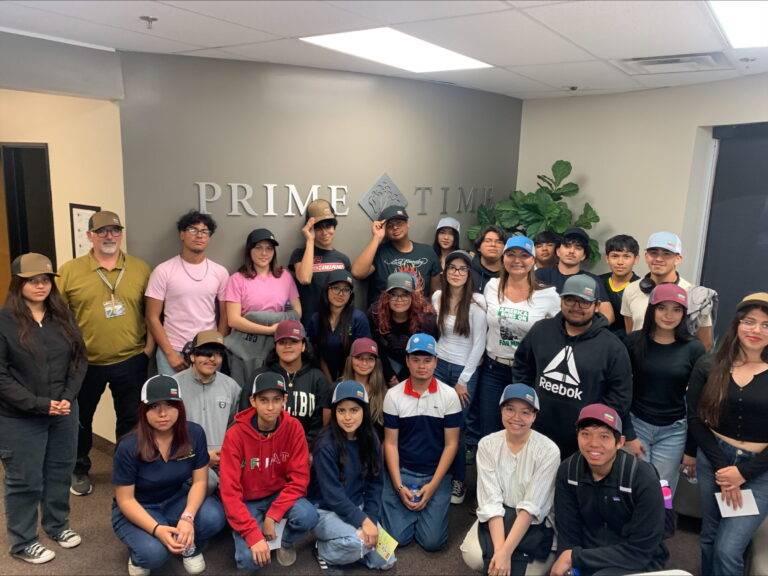
Western Growers and the California Women for Agriculture Coachella Valley Chapter Host Student Ag Careers Tour
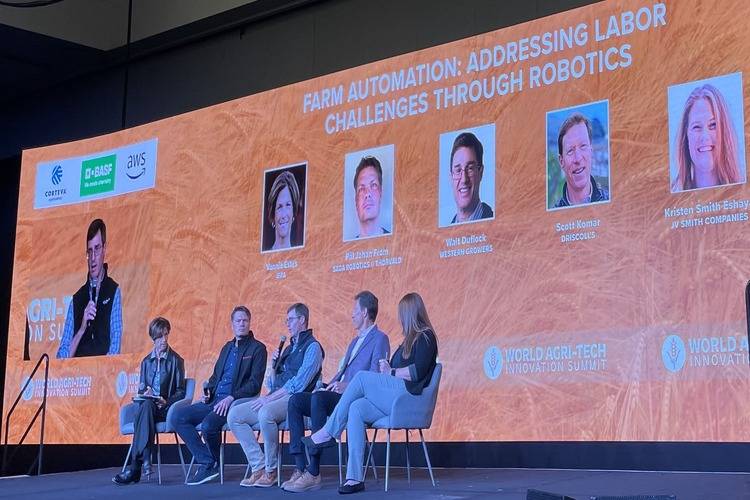
WG’s Walt Duflock Joins Farm Automation Panel at World Agri-Tech Summit in San Francisco
FARMX: Revolutionizing Agriculture

Walt Duflock Talks the Future of California Ag with The Modern Acre Podcast
