
Diamondback Moth: An Escalating Threat to Central Coast Farms
The diamondback moth (DBM) has become a growing operational crisis for brassica growers along California’s Central Coast. In recent years, however the escalating DBM pressure has led to significant crop damage, rising rejection rates, and sharply increasing production costs—placing real strain on the economic viability of many farming operations. What was once a localized pest issue has become a region-wide challenge, with the Central Coast now experiencing some of the most severe impacts on brassica production.
The scale of the damage is sobering—and the consequences are accelerating. Across the Central Coast, growers report that diamondback moth (DBM) pressure has fundamentally altered how brassica crops are planned, managed, and harvested. In severe cases, fields are prepped and farmed for weeks or months only to be disked under when pest pressure overwhelms available control options. Even when total field loss is avoided, partial damage can quickly push a crop past the point of economic viability. With harvest labor now scarce, costly, and tightly scheduled, growers cannot afford to allocate crews to fields with uncertain quality or shortened harvest windows. When food safety risks, labor availability, rising wage rates, and packing costs are combined, DBM damage forces hard decisions in real time. The resulting operational and financial impacts routinely reach tens of thousands of dollars per acre, compounding yield loss, quality downgrades, and escalating pest management expenses—while amplifying the strain on an already fragile labor system.
Adding to the frustration is a regulatory disconnect that many growers find difficult to explain. A new, federally EPA‑approved pesticide—showing strong efficacy against resistant DBM populations—has been legally available to growers in Arizona since November 2025, with encouraging field results. Yet that same product remains unavailable in California, stalled in the state’s Department of Pesticide Regulation (DPR) approval process. The irony is hard to miss: the same fresh produce treated legally in Arizona can be shipped and sold in California, but California growers are prohibited from using that tool themselves. From a practical and logical standpoint, it raises a simple question growers keep asking—how does that make sense?
Despite these challenges, progress is being made. The Western Growers Association (WGA) Innovation and Science Team is working closely with growers, regulators, and researchers to address DBM through multiple fronts. This includes active engagement on pesticide regulation to ensure California’s approval process keeps pace with federally reviewed science, while also accelerating access to effective tools.
At the same time, WGA’s Innovation Team is evaluating new application technologies designed to improve pest management effectiveness in brassica production. Electrostatic sprayers, for example, show promise in enhancing canopy penetration and reaching pest populations where conventional sprayers often fall short. These systems may also improve control while potentially reducing total pesticide usage. A key objective of this work is to ensure that, as new pesticide tools become available, validated and field‑ready application equipment is already in place to maximize their effectiveness for growers. In parallel with advances in sprayer technology, the Innovation Team is also assessing mechanical and non‑chemical approaches—such as bug vacuums, along with other emerging technologies, to expand the range of practical options available and give growers a fighting chance against this rapidly adapting pest.
DBM is not a short-term problem—and there is no silver bullet. But with logical regulation, faster access to proven tools, and sustained investment in innovation, California growers can remain competitive.
If you are growing brassicas in California, please complete this survey or share with the relevant staff at your organization. DBM Resources Survey.
More about Next Gen AG Workers
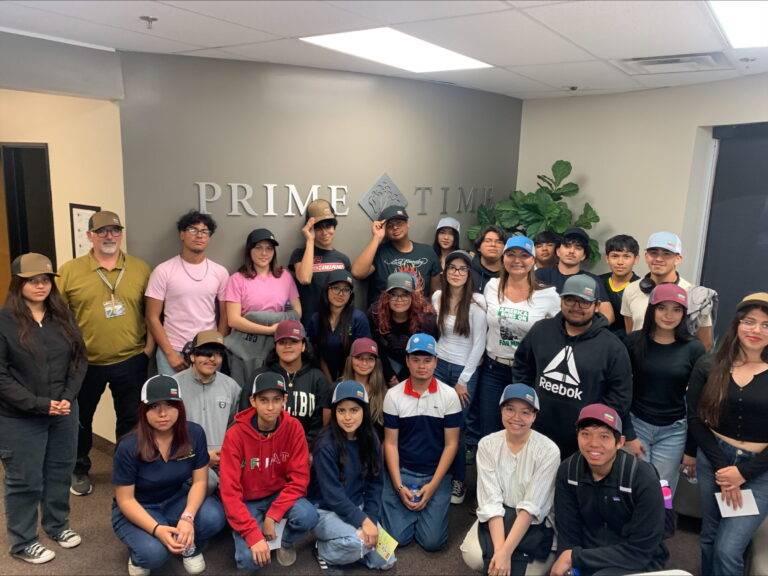
Western Growers and the California Women for Agriculture Coachella Valley Chapter Host Student Ag Careers Tour
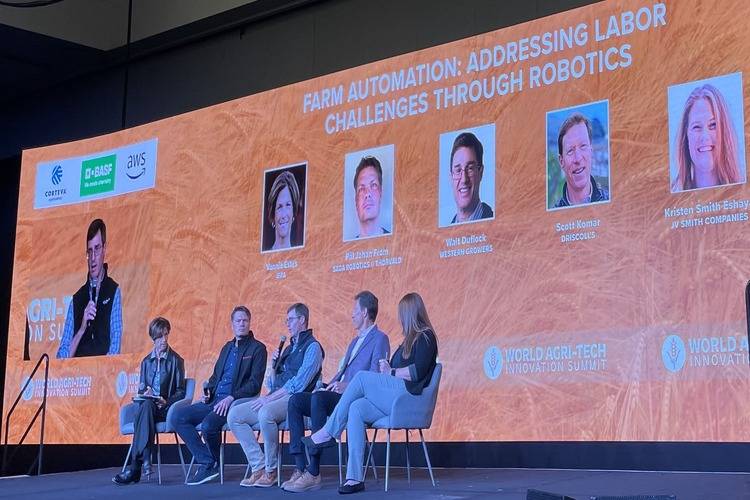
WG’s Walt Duflock Joins Farm Automation Panel at World Agri-Tech Summit in San Francisco

FARMX: Revolutionizing Agriculture

Walt Duflock Talks the Future of California Ag with The Modern Acre Podcast
