
2025: A Strong Year of Steady Innovation Meets Harsh Realities
As we reflect on 2025, the agricultural robotics sector was a mixed bag of fluctuating signals. The year saw rapid advancements in automation, driven by AI, precision tech and strategic mergers. This serves as a stark reminder that compelling ROI and value propositions are primary factors for growers to adopt agtech.
Autonomous navigation breakthroughs to non-traditional chemical inputs for pest control—laserweeding and precision application implements—2025 reinforced robotics’ role in boosting operational efficiency by providing real solutions for growers combating labor and input costs. Here’s a roundup of some key developments from 2025.
VC-Backed Startups Face Headwinds in Specialty Crops
While innovation maintained a steady course, VC-backed startups targeting specialty crops grappled with new market realities. 2025 saw another meager year in total investment dollars in agri-food-tech investment. FarmWise, known for its AI-powered weeding robots, had its assets acquired by Taylor Farms after struggling to secure further funding. Similarly, Advanced Farm Technologies, a pioneer in robotic apple harvesting, saw its assets and IP acquired by CNH Industrial. Tortuga AgTech, while initially focused on strawberry harvesting, then later pivoted to table grape harvesting, was acquired by Rishi, underscoring consolidation in the automated harvesting space. The acquisitions of Advanced Farm and Tortuga AgTech reinforced the demand for automated harvesting solutions but exposed misalignments between traditional VC models and the specialized, capital-intensive nature of ag markets. Startups often face long development cycles and slim margins, prompting a shift toward strategic buyouts as subsequent funding rounds could not be achieved.
2025 Marked Significant Strides in Autonomous Navigation
Arizona continues to pave the way for on-farm innovation, by passing SB 1320 (updating transportation codes to recognize autonomous farm equipment), while California farmers are currently restricted from using driverless tractors. Agtonomy and Kubota entered into a strategic licensing agreement, which integrates Agtonomy’s AI-driven autonomy software into Kubota’s M5N tractors for specialty crops like vineyards and orchards. This partnership focused on tasks like spraying and mowing, enhancing precision and reducing labor costs. Meanwhile, Bonsai Robotics acquired Farm NG, combining Bonsai’s vision-based AI with Farm NG’s modular electric robots to create “AI-first” machines for crop management. This move aimed to address efficiency gaps in specialty crops. John Deere further solidified its dominance by fully acquiring GUSS Automation, building on a 2022 joint venture to advance supervised autonomy in high-value crops like orchards and vineyards. These developments highlight a trend toward scalable, easy-to-use and retrofit-friendly autonomy, making advanced tech accessible to more growers.
UVC Light Emerges as a Commercial Solution for pest and Disease Control
One of the year’s brightest spots was the maturation of UVC light treatments as viable alternatives to chemical pesticides and fungicides. Proven effective against pathogens like powdery mildew, UVC tech reaches commercial viability in winegrapes and strawberries. Kubota’s investment in UV Boosting signaled strong industry confidence, with the French startup’s UV-flashing equipment reducing fungicide use in vineyards and orchards. Leaders like TRIC Robotics, Saga Robotics, and UV Boosting drove adoption: TRIC’s Luna robots treated strawberry fields with UV-C for chemical-free mite and mildew control, while Saga plans to expand its Thorvald machines in UK strawberries and California vineyards. This shift not only alleviates resistance issues but also opened doors for M&A, as UVC applications shift market direction from traditional agrochemical applicators to standalone automation solutions.
More about Next Gen AG Workers
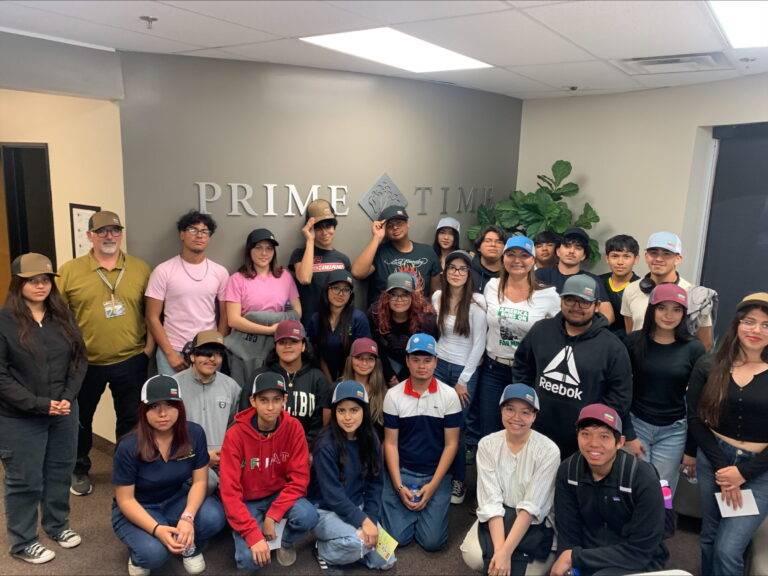
Western Growers and the California Women for Agriculture Coachella Valley Chapter Host Student Ag Careers Tour
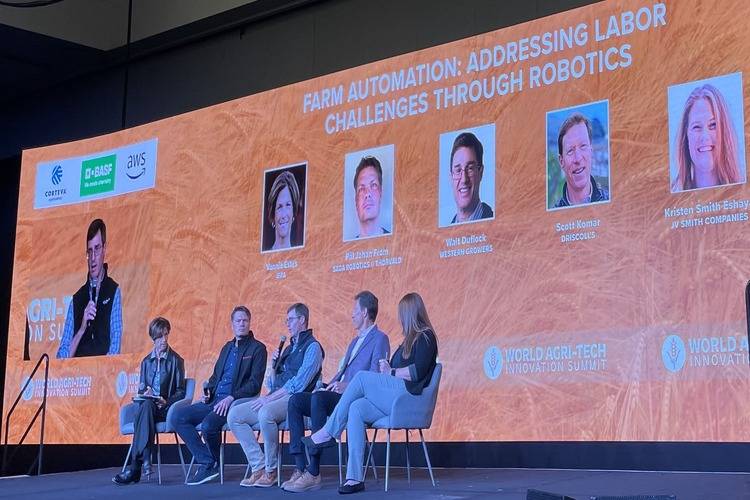
WG’s Walt Duflock Joins Farm Automation Panel at World Agri-Tech Summit in San Francisco
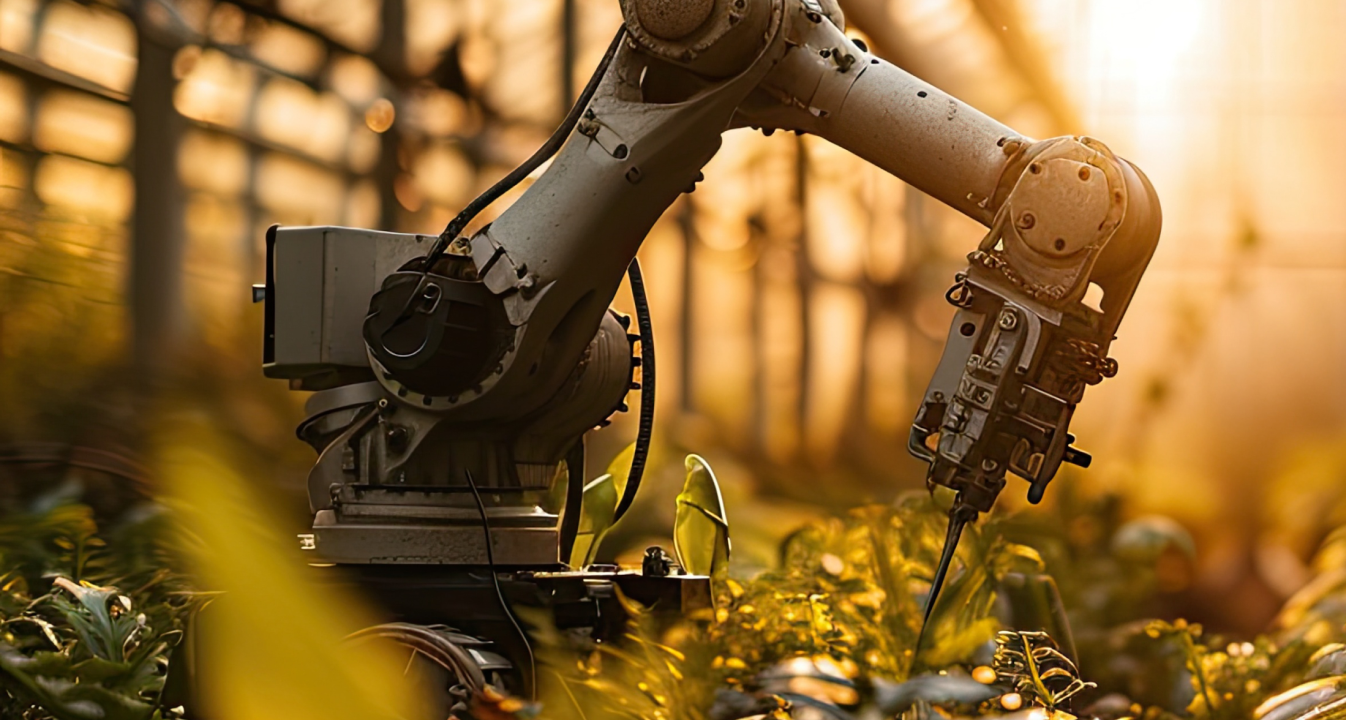
FARMX: Revolutionizing Agriculture

Walt Duflock Talks the Future of California Ag with The Modern Acre Podcast
